
I’d be a millionaire if I had a penny for each time I heard this question. Interviews, casual conversations with elders, drunk rambles with friends and job posting questionaries owe this million dollars. Superfictionaly, the question seems simple – a target we align ourselves with ambition and determination. The goal to keep us from slacking and being a so-called “DhandaSoouru – waste of food” (Ref from the movie Velaiyilla Pattathari) makes assumptions which are that life is unidirectional. Progress is a linear interpolation of effort toward your 5-year goal. However, that isn’t always the case, as
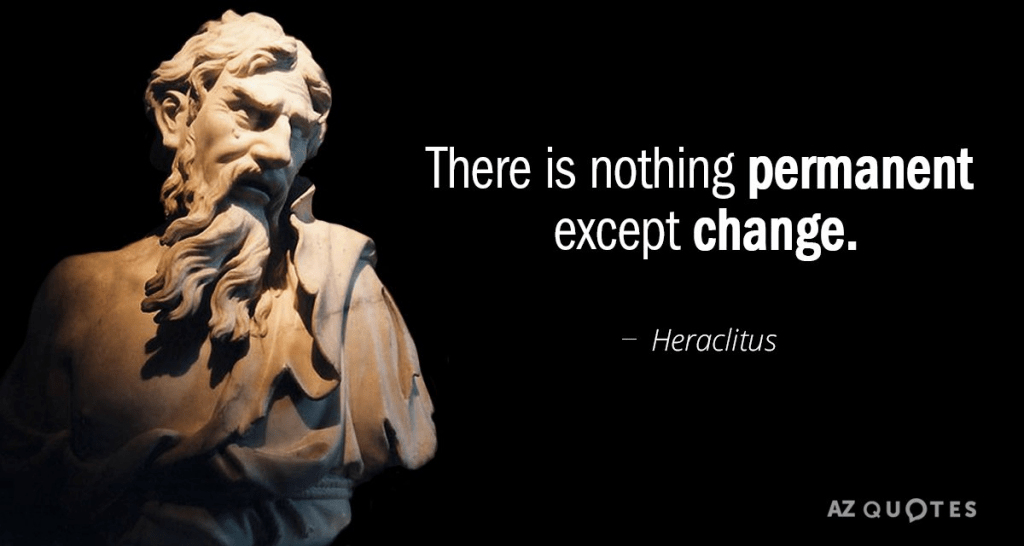
Change is the only constant
My dad grew up in a conservative Tulu household from an Agrahara (predominantly Brahmin-occupied street near a temple) in Thiruvananthapuram, Kerala. As the eldest child, he was told that it was either this way or the highway; he had to finish High school (Grades 10 and 12) and join either a school of engineering or become a doctor. If both didn’t work out, he had to get a Bachelor’s in the Sciences or Commerce and write the exams to get into a bank. If all failed, he had to go to Shanti (Become a priest with the Devaswom board to perform Pooja in a temple). He did as he was told, burnt the midnight oil, became the first Engineer in his street, and joined BEL in 1987. At this point, he thought he planned to work as a Mechanical Engineer until 60 at BEL.
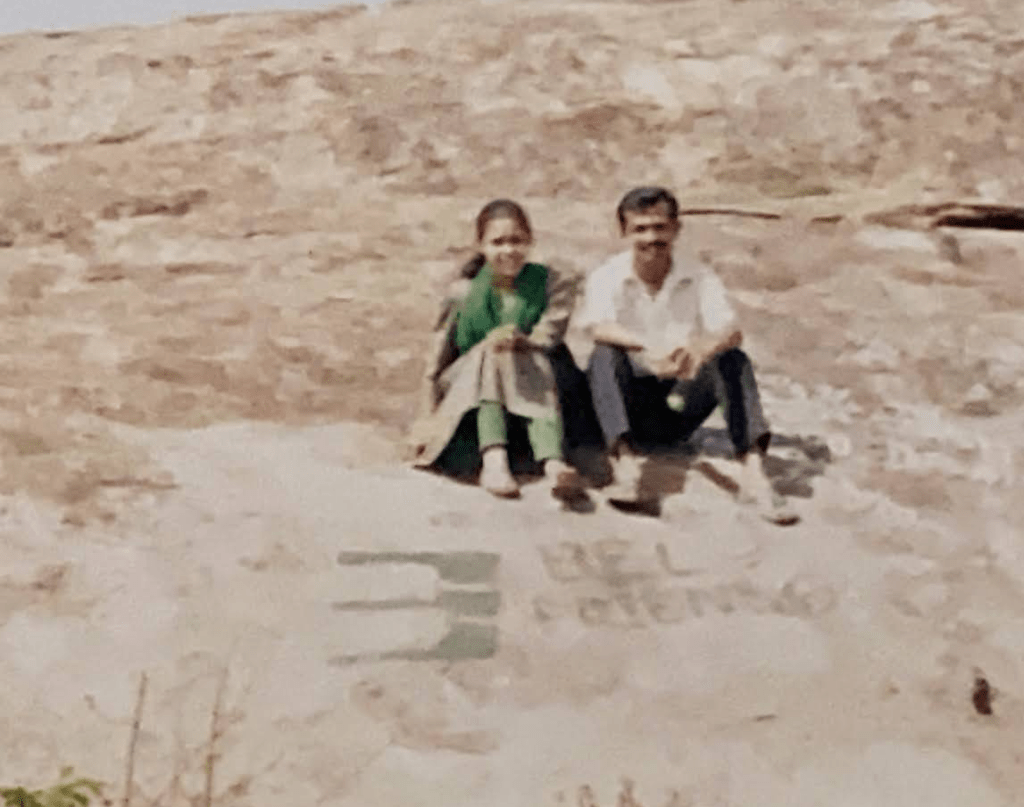
But he didn’t.
He started to focus on SAP applications as digitisation efforts in BEL solidified in 2006. He changed jobs to a private entity called GMR Infra in 2009 as an SAP integration specialist. He’s still working as a consultant after retiring at 60 in Delhi.
Every time he’d look back 5 years into the past, he could have never determined if his goals were achieved. Still, the outcome of 5 years was always a suspenseful journey, leading to fruitful results. His career was the perfect example that life is never a straight road.
Our career banks on its predictability, it becomes nothing more than a script—devoid of wonder, robbed of spontaneity, and stripped of the quiet thrill of the unknown.
In a world of rapid change, adaptability is more valuable than predictability. The question, “Where do you see yourself in five years?” reflects the straight road illusion—an overconfident, reductionist view that assumes a fixed path in an unpredictable landscape. Success today is not about forecasting the future but about responding to it.
The true measure of professional potential lies in adaptability, not certainty. The future is not a rigid road to be mapped but a dynamic terrain to be explored—one pivot at a time.




 Harikrishna Dev
Leave a comment