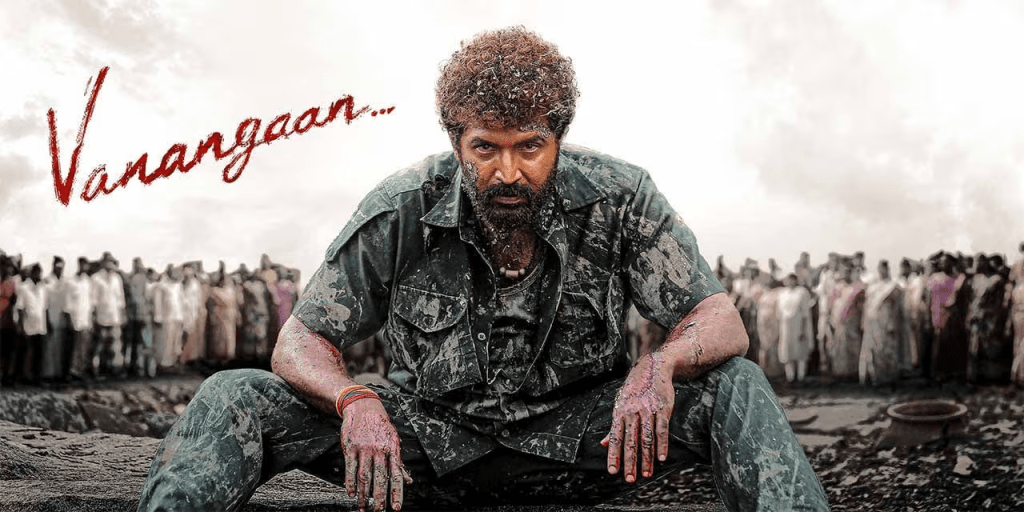
I walked into the theatre for one reason: Bala, the director who made groundbreaking films like Pithamagan, Naan Kadavul, and Sethu. After the setback of being compelled to make someone else’s story in the form of Varmaa, this movie marked a true return to form for Bala—a film that bore his goriness and unique storylines.
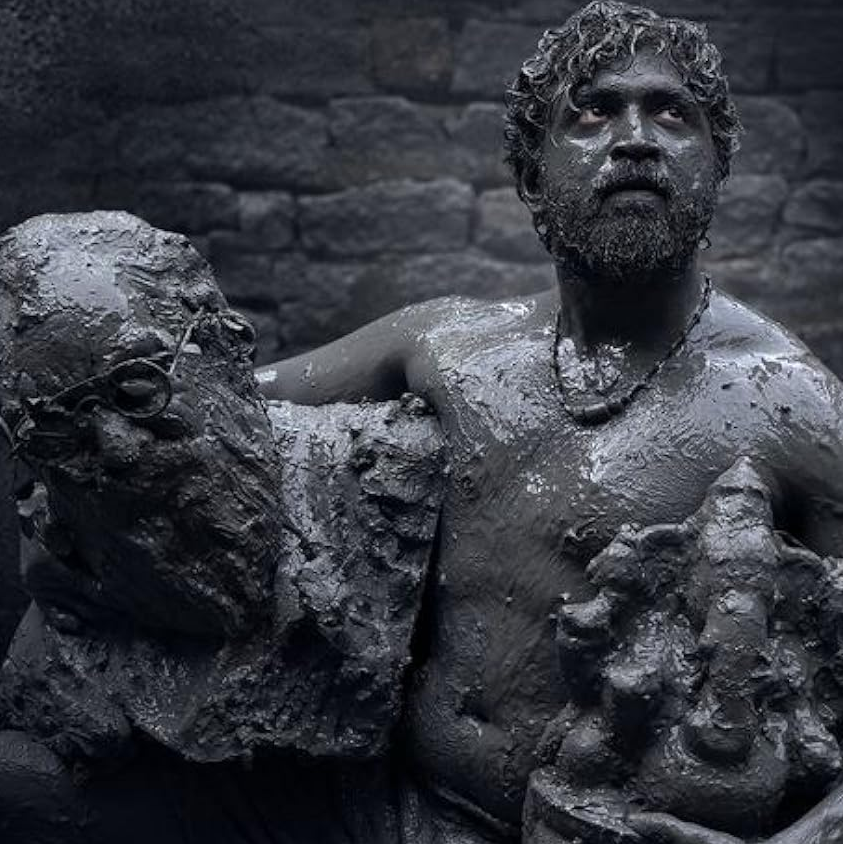
I was intrigued by the poster of Arun Vijay holding a bust of Periyar and an idol of Lord Ganesh in another, covered in mud, looking from the depth of a well. It seemed to symbolize a person caught between battling societal norms and navigating the contrasting forces of religion and reform.
The movie has amazing action sequences where Arun Vijay doesn’t finch the screams of his assailants as he embraces the personailty of a deaf-mute person. Each fight scene pulsates with raw intensity, vividly showcasing Koti’s simmering anger management issue. He unleashes his fury relentlessly, leaving his adversaries battered and bruised, while remaining unfazed by their cries of pain.
The expectation from the poster was the pricking pin, in my opinion. The movie shows a group of transgender people working for a living by selling fruits but shows the same group harassing a group of Japanese tourists by refusing rupees and asking for dollars. Why do these hard-working transgender suddenly become people of loose character? Why is harassment of tourists normalized to assume they’d shell out a lot of cash to enjoy a moment of peace? The female love interest, Tina, has a weird physical abuse fetish. She enjoys being hit by Koti to the extent that her clothes are torn and her lip is bleeding. Why does Tina poke fun at Koti, and why does Koti physically abuse a person for no good reason? When Tina interacts with a group of tourists as a tour guide, she lies about Koti being a miracle man who grants wishes, and the entire group start worshipping him. Why are tourists shown as clueless idiots living in naivety? When the people of the town want to close a bar operating illegally near their place of worship, she turns to Tina to dress and talk like a Punjabi to make sure their point is conveyed to the District collector, who is of Sikh faith. Is there no translator in the Tamil Nadu government office who can help with their points of concern to a non-Tamil person of authority? Why would an educated IAS officer need Punjab as a medium of communication to understand the problems of a layman? Why does Tina’s character go overboard with lines in Punjabi? The movie tries to make us laugh with boomer comedy and dry humour. These questions made me leave the theatre cursing about the money I spent.

A week later, my inner conscience compelled me to give this movie a second chance. In the film, we see a trio consisting of a Church Father, an Orthodox Hindu Lawyer, and a Muslim tattoo parlor owner, always working for a common cause. Whether it be helping tsunami-affected areas, helping Koti get a job, or helping Devi learn to tattoo. The trio shows that people look beyond their differences in times of need and work towards a common cause. This point is not forced on us but is so subtle and beautiful to establish the personality of the community Koti and Devi live in.
Koti tears up when he sees his sister sing in a church, even though he’s deaf. He does not react to others enjoying the moment but is happy to see his sister shine. This shows that Koti doesn’t care for much but his sister’s smile.
He surrenders to the police at a moment’s notice when he hears that the aftermath of the murders, he committed might affect the Orphanage he works for. He keeps his reasons hidden, even under the influence of a “truth serum,” to protect the dignity and social standing of the blind girls who were violated while showering. These acts show his understanding of societal rules but clash with his resort to violence with all misjustices.
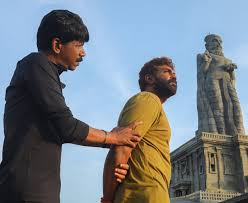
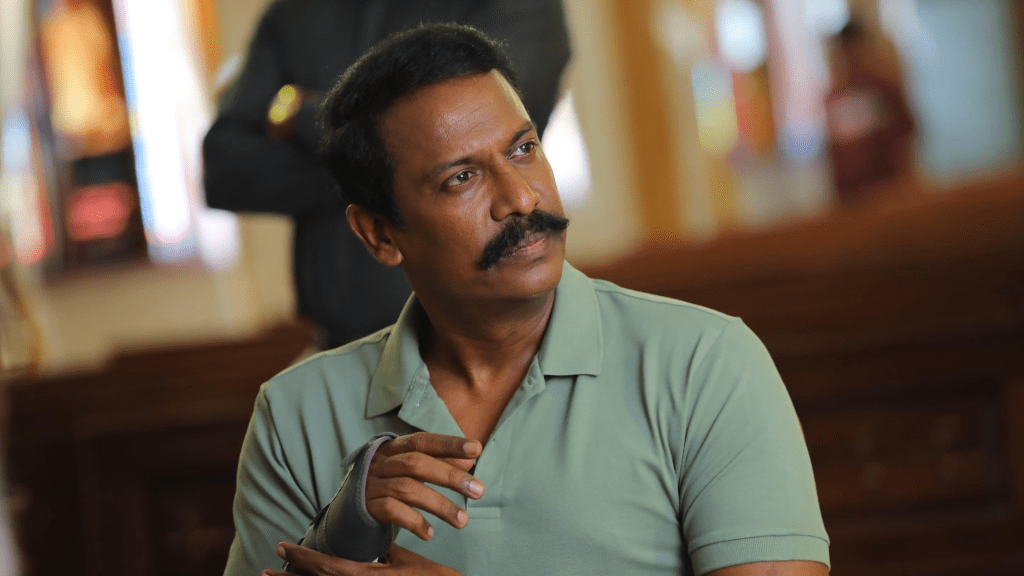
Mysskin and Samuthirakani portrayal of members of the judicial process was good in technique but lacking in understanding. While the writers are permitted use creative liberties, movies should be confined by ground reality. Cops don’t dismiss cases as soon as they find the reason for the murder. Judges don’t take it lightly when the time of court is wasted. These inaccuracies to build to the final heartbreak dimmish the storyline and leave you wondering about the role of the judicial process and the lack of repercussions for Koti’s actions.

Koti’s pursuit of his final target leads him to fulfill a desire he expressed during the police interrogation: brutal torture, a befitting punishment for the sins the assailant committed. While being debatable whether his actions were correct or not, it does make for a fantastic climax.
Undoubtedly, the highlight of the movie was Arun Vijay’s performance. His absolute commitment to the character and the minute details of portraying a deaf character is a testament to his skill. A pause of complete silence in the climax when he’s dragging his victim is the actual image of what could have been if the sound design had matched his acting.
While I regret walking out the first time and enjoyed the movie the second time, I stand by my reasons for disapproval. The movie is a testament to Arun Vijay’s commitment to Koti and Bala’s ideas of a loving brother-sister relationship and righteousness being independent of upbringing and environment, but it fails to convey the messages he set out to deliver. In conclusion, I would watch again for Arun Vijay’s acting alone.




 Harikrishna Dev
Leave a comment